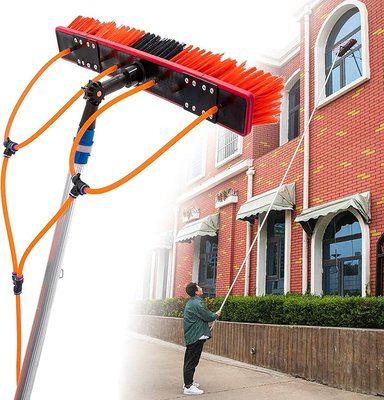
The two cloths every window cleaner argues about
Stand in a window cleaning supplier’s shop and you’ll see two very different cloths hanging on the wall. Rough-looking beige scrim, and neatly folded microfibre. Both claim to give a streak-free finish on glass.
So which is better?
It depends what you’re doing. They’re different materials with different strengths, and most professional window cleaners carry both. Here’s the honest breakdown.
What is scrim?
Scrim is a loose-weave linen cloth. Traditional scrim is made from flax fibres and has a rough, almost sackcloth feel to it. New scrim actually feels a bit stiff and unpleasant in your hand when it’s dry — a lot of people take one look at it and put it back on the shelf.
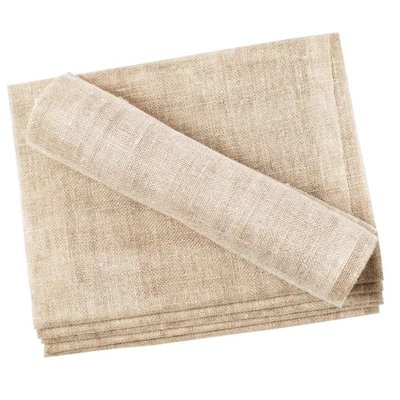
But once it’s damp and broken in, scrim is a brilliant bit of kit. It’s incredibly absorbent, it holds loads of water, it doesn’t shed lint, and the rough weave actually buffs glass to a shine as you wipe.
Scrim has been the traditional window cleaner’s cloth for over 100 years. There are still old-school cleaners in the UK who wouldn’t use anything else.
What is microfibre?
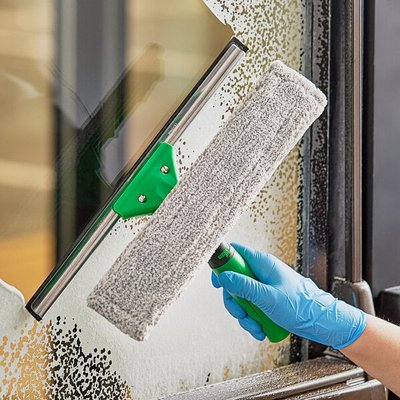
Microfibre is a synthetic cloth made of extremely fine polyester and polyamide fibres. The fibres are so thin they can pick up dust, grease and water at a microscopic level without needing any cleaning product.
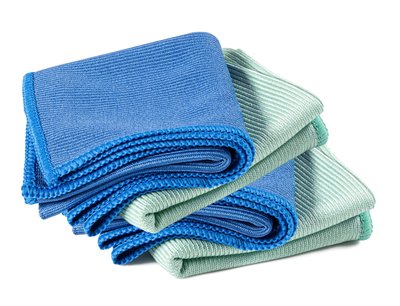
Modern microfibre cloths are soft, hold a lot of water for their size, and wash easily. They’re also much cheaper than scrim once you factor in longevity, because a good microfibre will do hundreds of wash cycles without losing its grip.
Scrim: when it shines
Drying after a full clean. This is where scrim really comes into its own. After you’ve squeegeed a big window, scrim is the fastest way to buff the frame, sill and edges of the glass dry without leaving streaks. Professional window cleaners can blitz through a whole house front using scrim for detail work.
Really hot days. On a hot day, water dries on glass quickly and leaves streaks. Scrim is better at “chasing” drying water and lifting streaks as they form.
Detailing after a squeegee. The rough weave of scrim buffs the last bit of water out of the edges and corners of the pane. Microfibre can sometimes leave a faint film where scrim polishes clear.
Bird and insect muck. Dried on bird droppings and spider webs wipe off much more easily with a damp scrim than with a microfibre. The slight texture helps.
Microfibre: when it shines
Inside the house. If you’re cleaning windows indoors, microfibre is generally better. It doesn’t shed lint, it’s softer on skirting boards and window sills, and it’s kinder to paintwork.
Dark coloured frames. Scrim can leave tiny flax fibres on dark frames that are a pain to pick off. Microfibre doesn’t shed.
Delicate glass. For stained glass, leaded lights or old single-pane glass with bubbles or imperfections, the gentler touch of microfibre is safer.
Beginners. If you’re new to window cleaning, microfibre is more forgiving. Scrim takes a bit of getting used to — you need to have the right amount of damp in the cloth and the right technique.
Washing and care. Microfibre washes cleaner. Scrim tends to hang on to grease and cleaning product residue, and eventually you have to bin it. A good microfibre keeps going for years.
Looking after your cloths
Both scrim and microfibre need a bit of care or they’ll let you down.
Wash them in a bag. A mesh laundry bag keeps them separate from other washing, especially cotton items which shed lint.
No fabric conditioner. This is the most important one. Fabric conditioner coats the fibres and ruins their ability to absorb water. Use detergent only.
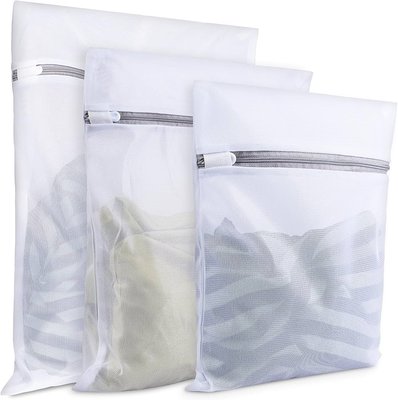
Wash at 40 degrees. Hot enough to clean properly, not so hot that synthetic fibres degrade. Tumble dry on low or air dry — high heat melts microfibre.
Keep separate cloths for different jobs. Grease from kitchen work will contaminate glass cloths. Have dedicated ones just for windows.
Replace when they fail. A scrim that’s started smearing is done. A microfibre that’s gone stiff and no longer absorbs well has given up. No amount of washing brings them back.
What I actually carry in the van
In my van on any given day I’ve got both. Rough count:
- 6 to 8 pieces of good scrim, folded flat in a bucket. Main use: detail work on frames and edges after I’ve squeegeed the main glass.
- 20 or so microfibre cloths in different colours. Blue for interior glass, yellow for frames, red for anywhere I might have been cleaning something greasy or oily that day. Colour coding stops cross-contamination.
If I had to pick one, I’d keep the scrim. It’s more specialist. Microfibres are handy but they’re not unique — you can swap one brand for another and barely notice. A good piece of scrim that’s been broken in over a few months is like an old friend.
My honest recommendation for a home user
If you’re cleaning your own windows and you want one cloth, buy good microfibres. Get a pack of 6 or 8 in different colours, keep them just for windows, wash them properly, and you’ll have years of use out of them.
If you want to take it more seriously and get a truly professional finish, buy a pack of scrim as well. Use the microfibre for your washing and general wiping, and the scrim purely for buffing glass and detailing edges after a squeegee pass.
Don’t bother with kitchen roll, old towels or the cloths you use for drying dishes. They shed lint, they leave streaks, and they’ll drive you mad. A good cloth is cheap in the grand scheme of things and transforms the quality of your finish.
Need a professional instead?
If you’d rather leave the cloth choice to me, get in touch for a free window cleaning quote around Watford. I bring all my own kit — scrim, microfibre, squeegees, poles, pure water — and your windows will look the best they have in years.